Stop Spamming! (I mean advertising.)
I was perusing Facebook today, and I saw sponsored post for a cool concert in Michigan.
The post had 100+ likes, and two comments.One comment was from an angry Facebook user annoyed that a sponsored post was in their news feed. He wrote “stop spamming!”
It made me pause.
We’ve crossed into odd, digital territory, as consumers, artists and marketers.
In the 1990s, we knew what spam looked like: “Irrelevant or inappropriate messages sent on the Internet to a large number of recipients, usually through email.” Usually trying to scam us.
See how the word rose into our lexicon on this Google Graph. Once social media became the rage, as did chase for clicks and numbers, the idea of spam morphed.
So what is Spam now?
Clearly, a sponsored post on Facebook is neither “irrelevant” (at least according to Facebook’s algorithm) or inappropriate (according to the terms of the Facebook contract we agree to by using the site).
Yet people may feel annoyed when they see ads; but not everyone will feel the same type of annoyance at the same time…
I propose that the word, spam, also symbolizes our annoyance with advertising. Our society is overloaded, and with that, our patience, diminished.

In July, I entered a songwriting contest sponsored by Larabar. Winners got to open for Gregory Alan Isakov at a show.
While I didn’t win, I got a little surprise in the mail today:

Larabar sent snacks and a thank you card to every songwriter who submitted songs.
They are geniuses.
I think we can all learn something about this, especially the musician who refuses to give away free music.
Sure, most people love snacks, but we also love being appreciated. We love someone taking the time for us. It makes us feel like we’ve won.
And today Larabar won an instant fan.
PS: Let’s see if I can hold out and save these snacks for the upcoming tour with Paul.
I’ve been thinking about this difference about an audience’s expectations for a comedian vs a musician/songwriter.
If I attend a comic’s show for a second time, I am hoping to hear new material; but when I go to see a band for a second time, I’m hoping to hear my favorite song again. I want something new to make me laugh; but I want to hear a melody I recognize.
Sure, this is a simplification, but there seems to be a different shelf life for a live joke vs. a live song.
Louis CK shared how his career evolved when he decided to start over fresh with new material each year, forcing himself to go deeper into his writing, a challenge that George Carlin embraced in the 90s.
This is a blessing and a curse for us songwriters. The one hit wonders must be saddened to have to perform a song continually every show to satisfy their audience; but the songwriter is blessed to be able to rely on their standards, their favorites.
What would happen if the songwriter started over every year, continually rewriting the setlist? Would the audience embrace new material, the prolific writer; or would we miss the familiar?
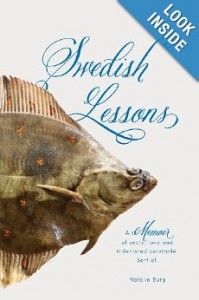
My wife Natalie’s book release is today, and the book is officially up for sale!
Swedish Lessons is a crazy, funny, true, ridiculous story about how she went to Sweden to be an au pair and ended up on a farm with a cult, and in a way, was an indentured servant. It’s an Eat, Pray, Love meets David Sedaris styled memoir.
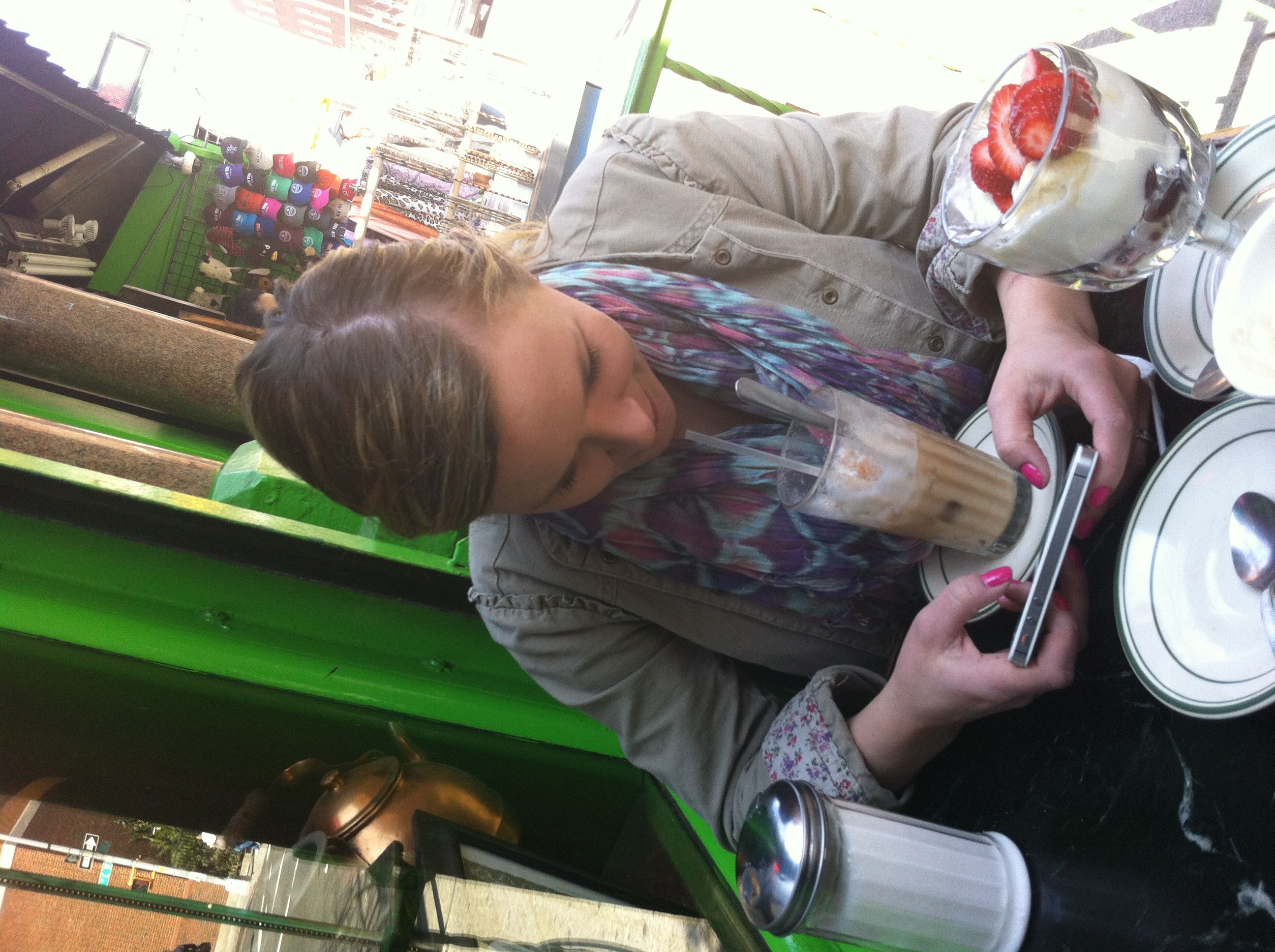
Natalie's editor for the book emailed the edited copy while we were in Greenwich Village!

When working on a project, a lesson plan, or art, how often do you feel concerned after saying, “This is really hard…”?
It’s easy to feel like a failure when the task proves to be difficult. To feel like Sisyphus. To distrust our abilities. To wonder if it’s difficult for other artists or musicians, too.
Guest what: It is.
The fact that the work is difficult is not unique. You are not a failure to face difficulty. You are in good company.
Let’s walk up the mountain with our boulders together.