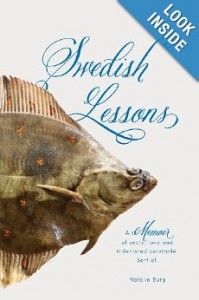
My wife Natalie’s book release is today, and the book is officially up for sale!
Swedish Lessons is a crazy, funny, true, ridiculous story about how she went to Sweden to be an au pair and ended up on a farm with a cult, and in a way, was an indentured servant. It’s an Eat, Pray, Love meets David Sedaris styled memoir.
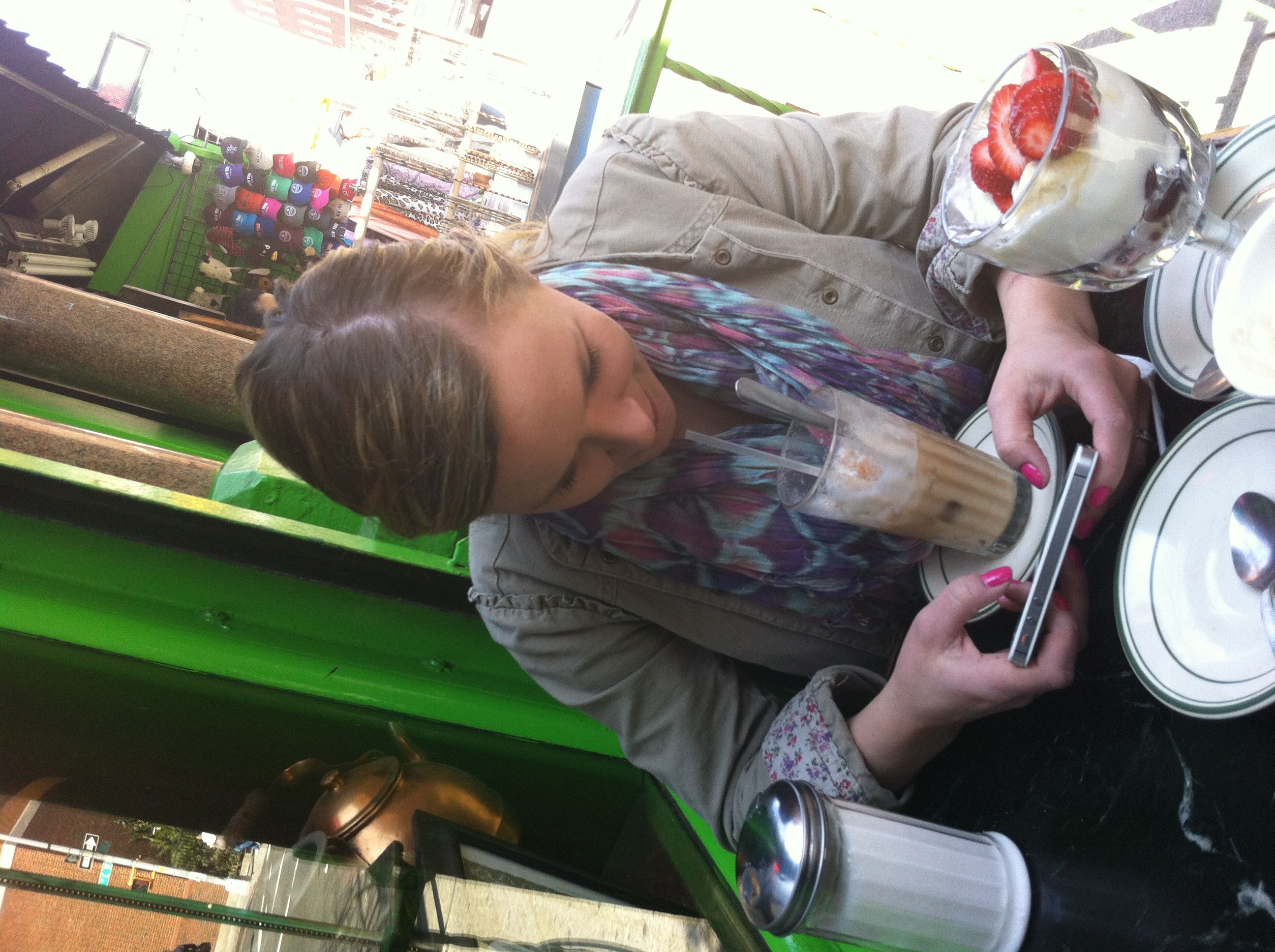
Natalie's editor for the book emailed the edited copy while we were in Greenwich Village!


When working on a project, a lesson plan, or art, how often do you feel concerned after saying, “This is really hard…”?
It’s easy to feel like a failure when the task proves to be difficult. To feel like Sisyphus. To distrust our abilities. To wonder if it’s difficult for other artists or musicians, too.
Guest what: It is.
The fact that the work is difficult is not unique. You are not a failure to face difficulty. You are in good company.
Let’s walk up the mountain with our boulders together.
Nothing replaces a handshake or a hug
I love sending emails to friends, but nothing replaces a handshake or a hug.
I think that’s why it’s still important for the artist or musician to get on the road, even if we only share our art with a small number of people at first and the gas costs are expensive.
Sure, we should be sharing art on Youtube or Pintrest or whatever digital place that fits; and yes, it’s fun to write back to people who comment or email. But nothing fully replaces the experience of sharing your art in person.
Those are the new relationships that might support your art for the long term.
Some folks might assume what sets apart the hobbiest from the professional is talent, skill. That’s not the case.
The only thing that sets them apart is a luxury and curse of time.
The hobbiest artist, the musician who does music for fun, has the luxury to say, “I don’t want to work on my music or art today. I’m going to the beach.”
The professional can’t say that. The professional shows up to work, on time, every day, just like the 9-5er (well, at random hours).
Some days you don’t want to work on that song idea or play that four hour gig in 80-90 degree heat, but you still do. It’s your job.
Side note: the artist who does music for fun, might have the luxury to say, “I’m not working on my music today,” but they also have the curse of saying (more often), “I’m having trouble finding time to work on my art or music. Work gets in the way.”
Twitter: The one category/account you’re missing
One of my favorite music guys I follow on Twitter is Ian Rogers, starter of Topspin.
Ian wrote an insightful blog about why he massively unfollowed people on Twitter last week, dropping his follower number from 1500+ to 179.
I might have been one of those un-followed (I’ve been following Ian for many years) and it makes me feel good if I was!
Why does it feel good to be unfollowed? Because this is how Twitter remains useful for people: You need to decide how you want to use it, and if you end up following 1000s of accounts, it’s useless.
Ian’s categories for what he follows are similar to my categories:
- News (favorite writers and bloggers and trusted news accounts)
- Favorite indie music labels (Unlike Ian, I’ve left room for a limited amount of favorite bands)
- Friends who are active on Twitter (some are musicians)
- Some tech accounts
- A few humor accounts
I’d like to propose one more category Ian’s missing, one we should follow for our Twitter feeds: OUR LOCAL COMMUNITY
Twitter is a wonderful way to stay connected with your local community: that nonprofit down the street; your favorite independent bookstore or coffee house; that shared workspace incubator; the local DDA or Chamber of Commerce; that awesome guy who dress up in a Werewolf mask and plays violin on the street…
* * * * * *
Following local community Twitter accounts can be problematic. Many local, small town professional accounts don’t use Twitter well. They sync it with their Facebook page. The manager goes on negative personal rants. They try to be funny rather than informative…Or they never post.
If you live in Detroit, this is easy. Detroit creatives, nonprofits, and new business accounts use Twitter well!
If you live in a small town, this might be difficult.
But it starts with you.
Against popular belief, Twitter isn’t a social promotion tool or micro blog. It’s a connection feed. It’s a news feed. A place to not only tweet about a celebrity dying or live tweeting about Break Bad’s season premier, but what’s important to you, your home, your world.
And honestly, you get to decide how you use Twitter. It doesn’t have to be the same way I do, or Ian does, or Lady Gaga does. It shouldn’t be.
But I hope you leave a little space for your local community.