Folk Alliance Conference 2016 – Showcase Appearances
I’m making my first trip to FAI, February 18-21!
Here are the showcase performances I’ll be doing:
Thursday:
- Access Film (RED Room): 3:40-4 PM
- Anderson Fair Room, 10:30-11 PM
with Mike & Amy Aiken & host Ken Gaines
Friday:
- Sugarbaby Room 732, 11:40-12 AM
- Access Film (Blue Room)552: 1 – 1:30 AM
- Bottomland Showcase Room 713- 2:30 – 3 AM
Saturday:
- American Folklife Center 40th Anniversary Showcase (Room C): 1 PM (2 PM performance)
I’m performing a rendition of “Don’t Judge a Man by the Clothes that He Wears“ - First Timer Room I (FAI Room 725): 11:30-11:55 PM

To be topical, or not to be: political songs pt 2
My last week’s post about “political songs” got some great comments, friends sharing a contrasting opinion to my theme. Songwriters Josh Woodward and Spencer Michaud‘s comments got me wondering: is it better to seek out that universal song, or is there a time to write the topical protest tune?
I’d like to return to my theme because there is a time to be topical!
“A time for a big message; a time to be topical and specific”
Recently, I wrote a song called “Girl on the Mountain, Boy on the Beach” inspired by the Syrian refugee crisis (boy on the beach), and my own reflection as a new dad (girl on the mountain).
However, most listeners wouldn’t connect the dots without me offering an explanation.
If you listen to Neil Young’s “Ohio”, you know exactly what that song is addressing if you have prior knowledge about Kent State and 1970:
Tin soldiers and Nixon’s coming/We’re finally on our own
This summer I hear the drumming/Four dead in Ohio.Gotta get down to it/Soldiers are cutting us down
Should have been done long ago.
What if you knew her/And found her dead on the ground
How can you run when you know? – “Ohio” by Neil Young
Kent State shooting. May 4, 1970. Vietnam War. Right there, in the lyrics.
Yes, topical songwriting will most likely become dated, and get lost in the shuffle after time passes; but there is a time to be specific rather than attempting to write a universal “Blowing in the Wind.”
Every American history teacher I had in high school and college neglected to talk about the Vietnam War in depth in their curriculum. We’d cover the Revolutionary War, the Seven Years War, the Civil War, WWI, WWII…then the bell would ring, and summer recess was here. (Which is a lost opportunity, because those alive during the Vietnam War are here to talk about it with us.)
What inspired me to start reading books about Vietnam? Neil Young’s song, “Ohio”.
Twenty years after that song was on the radio, it inspired a high school kid to not only learn the guitar parts, but ask, “What is this song about?”
Last year, I played this song in Columbus at the Six Strings Concerts. It was the song that concert attendees wanted to talk to me about the most after the concert. It was a song they remembered personally from that time period.
Don’t be afraid to write your area’s “Ohio.”
video credits: Larry Wolfe
Interview with music manager Ralph Jaccodine (FAI Tip #5)
Last week, I interviewed Ralph Jaccodine for tips when attending Folk Alliance, asking, “What ways can an artist stand out in the crowd?”
Ralph is a manager of artists (most notably Ellis Paul), an adjunct professor at Berklee School of Music, and re-elected board member of Folk Alliance.
Here are some questions and answers:
1. The first time I showcased at SERFA, I felt a bit overwhelmed and underprepared! How can first timers avoid that feeling of getting a bit lost in the size of the FAI’s larger conference?
2. I was inspired by Ellis Paul’s analogy of constructing a music career, brick-by-brick, over a long haul of connecting with people. What type of bricks should us newer artists be seeking in the music industry at FAI?
3. My first blog referenced Lyal Strickland and how his business card was a snack at SERFA. Any examples of promotional materials that stood out over the years?
4. Showcases in the hotel rooms go by so quickly! How might a newer artist approach these performances to get the most out of the experience?
* * * * * * * *
When I attended SERFA in 2013, I didn’t know anyone at the conference; but by the end of the conference, I met at least a fourth of the attendees, had solid time meeting 25-30 folks during the meals, and 10 to 15 of them have stayed in great touch over the years through email, Facebook, Instagram, etc.
But how do we get those first chances to play in new regions? The easiest way is to team with others at your level from other cities.If you can offer someone a chance to open for you in your local market, playing for a crowd of 50-100, see if someone who lives 200-300 miles away can offer a similar chance for you.
So have a long term vision when attending FAI. Have a future tour plan–one you can execute in six months or a next year–in mind. Plus, new friends you meet during the meals and in the halls of the conference might attend your showcases later that night. Do the same for them!
Making your art political: What scares you more?
Yes, there is a danger to making your art political, a danger to being bold, a danger to sharing your viewpoint through your craft; because you might be criticized; you might lose potential fans; you might offend others.
However, there is a opportunity to making bold art. By being courageous, you might say something that needs to be said in a way that only art can; you might help be a part of an important moment; you might help shed light on the voices that are ignored.
Plus, the action of creating art is already a political moment, one that demonstrates your freedom of speech, freedom to participate, freedom to create.
What scares you the more: Making bland art that is forgettable, or making powerful art that makes other reflect on today?
Art can’t do it alone, but art can move us to action
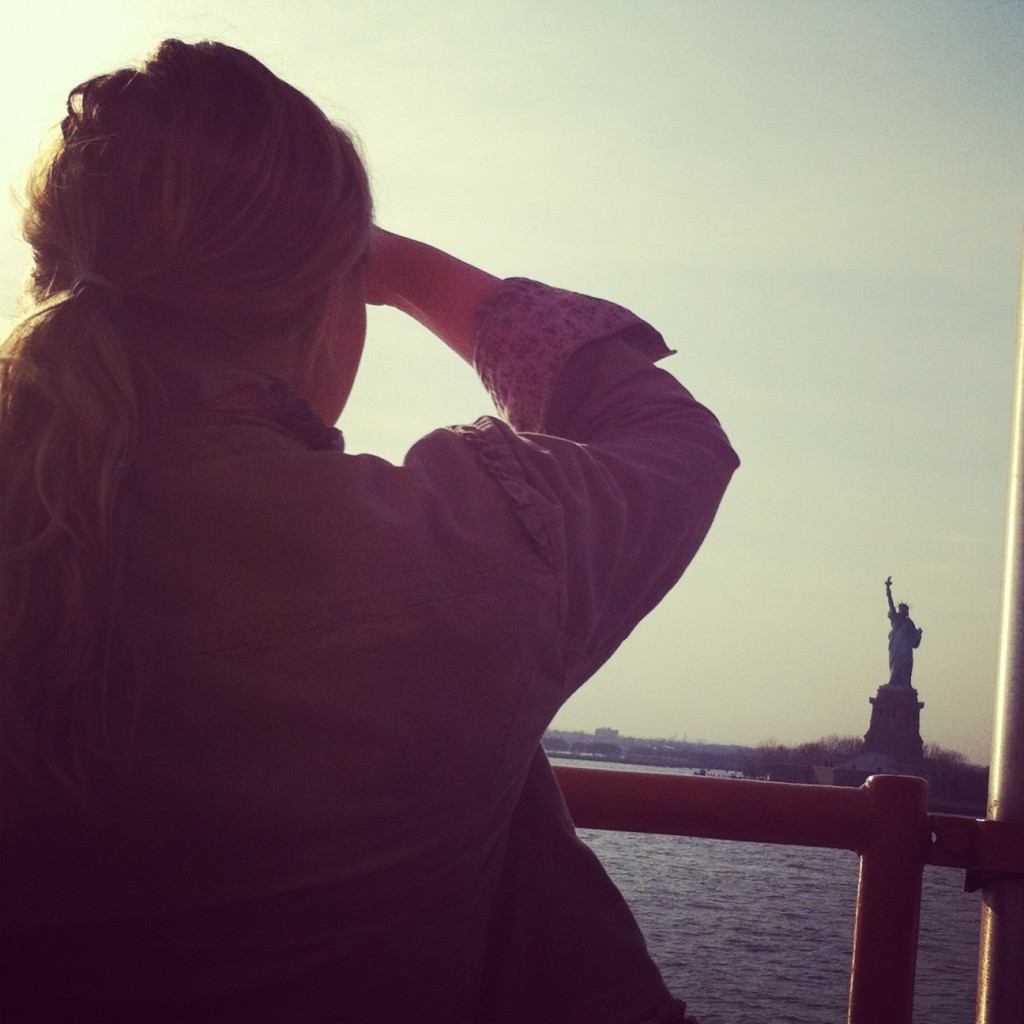
Natalie posted a blog today, coincidentally addressing the same themes I was singing about yesterday in the Audio Acres video session: the boy on the beach.
That news story of the refugees shocked the world, yet was also emotionally paralyzing:
“The only thing that seems worth writing about seem to be those answers, and I just don’t know what they are.” – Natalie (Read her blog here.)
The action of making art is one of the first steps to counter our inaction, and inspire change; but the larger the emergency, the harder it is for me, and probably you, to find an answer. I get stuck into my normal routine.
How can we fit into the solution?
Epic emergencies can be an opportunity to inspire us to find the smaller ones right in our hometowns.
A Flint band the Tom Toms posted how they will be involved with the Flint Water Crisis. The Mittenfest festival raises money annually for the 826 writing center. Craig Carrick had a simple idea and started it called “Guitars for Kids” and he has given 100+ guitars to kids in Michigan. I bet there is a food bank that could use an extra pair of hands of help today.
When we get emotionally paralyzed, it’s time to make art. Art can’t do it alone; but art can move us to action.
Might be doing a Benefit Concert to raise funds for the Flint Water Crisis #FlintWaterCrisis #thetomtoms
— theTOMTOMS (@theTOMTOMSmusic) January 19, 2016
Mike Vial – "Girl On The Mountain, Boy On The Beach"
Mike Vial
Posted by Audio Acres on Monday, December 14, 2015