What’s more powerful for you:
Reading an email or getting a handshake?
Getting a message from a band on Facebook or seeing them attend your weeknight show?
Seeing a picture of your friend’s baby on Instagram or holding the baby in your arms?
We create our pages on Bandcamp, Reverbnation, Facebook, Twitter, Etsy…Then our two feet remain planted under our desks as we desperately worry about how many social media followers we have.
But it’s the art that reaches people, not the Internet.
Could we make more connections to people in one day busking on the streets of Ann Arbor, like the Violin Monster does, than by asking our Facebook friends to “like our page”?
(I currently have 185 page invite requests. 185!)

Internet connections are wonderful tools, but they should connect us with our communities; not become the primary connections we cultivate.
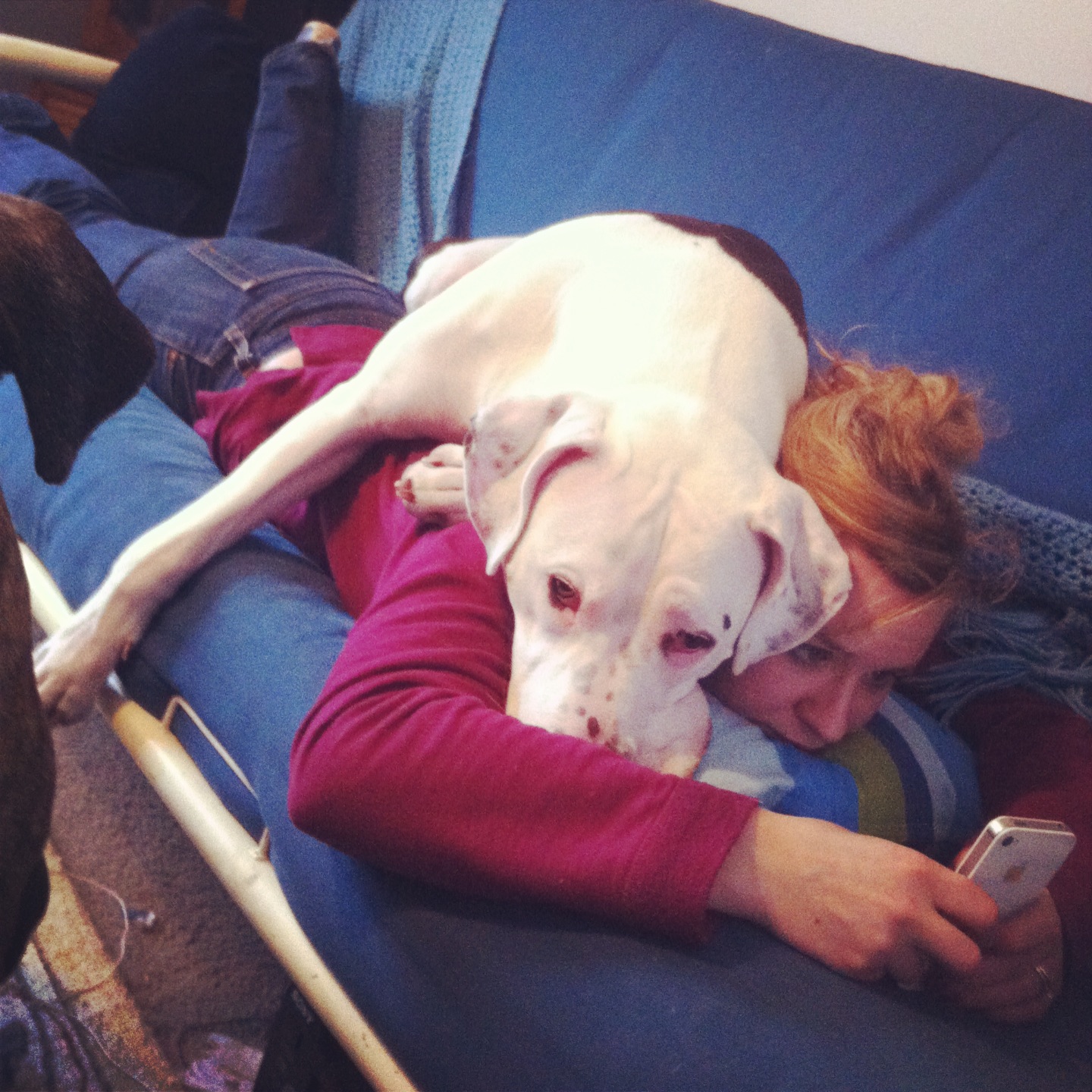
- We are lucky to have Lois who encourages breaks from blinky screens.
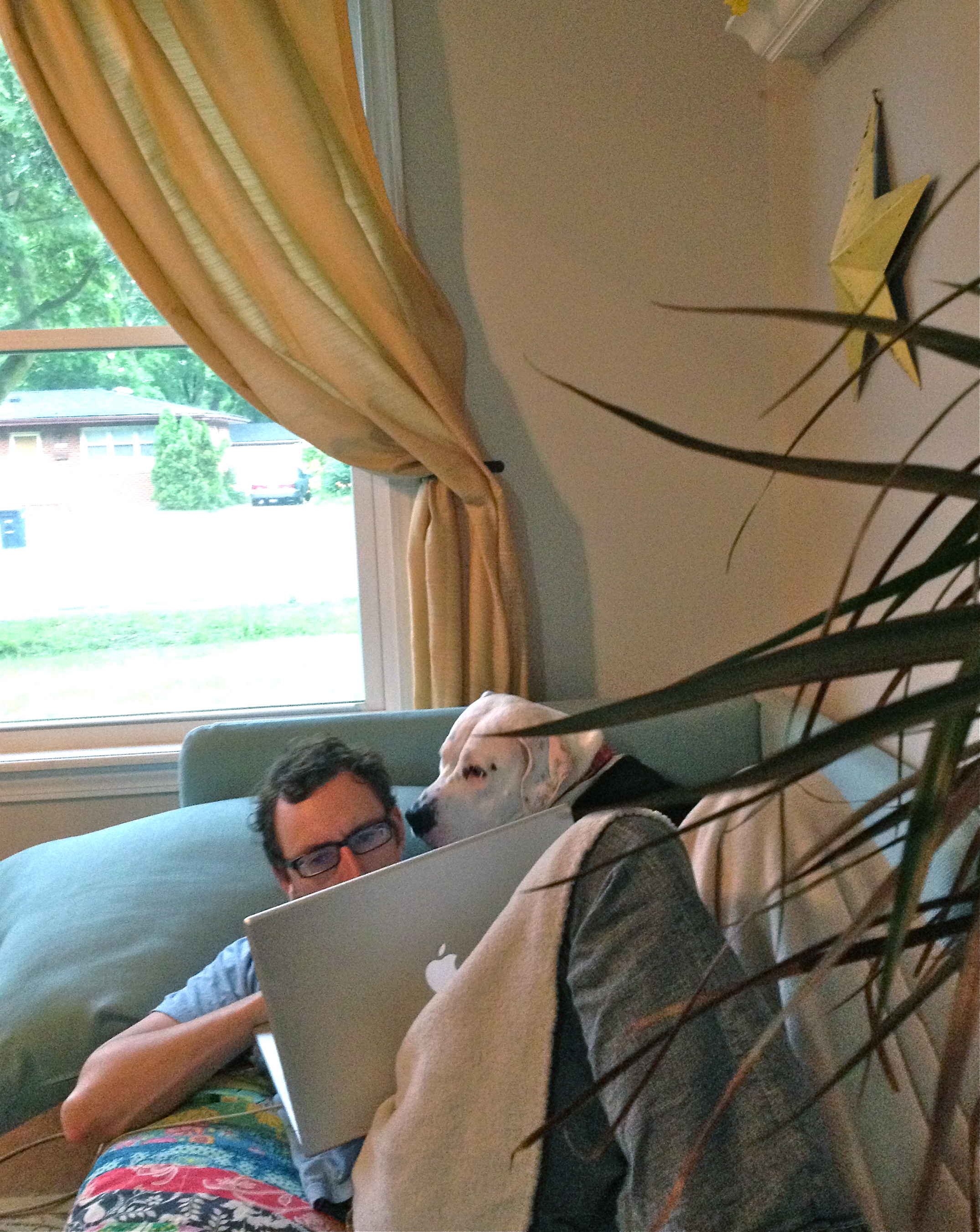
Lois is a not only a great copy editor, but a great motivator to get off the couch and go for a walk.

“Wait, what? You toured Afghanistan?”
“Wait, what? You toured Afghanistan?”
I was floored by his story.
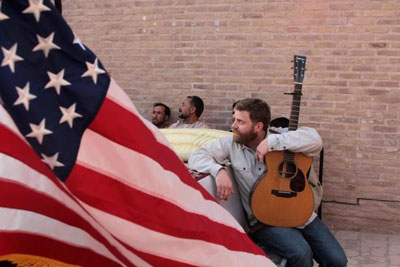
At a music conference, Peyton Tochterman shared the story of how he toured Afghanistan.
You can read his account here. (& more here.) A State Department officer told Peyton that his visit of sharing music did more to build relationships between two countries than anything else accomplished from money or politics.
We spend so much time arguing over Spotify streams and iTunes downloads and CD sales—which is an important discussion, making a living is essential—but let’s not overshadow the power of music.
If the pen is mightier than the sword, the guitar is a pretty powerful pen.
More Dangerous Than the Internet Troll: The Backhanded Complimenter
The musician or artist is often forewarned about the danger of Internet trolls, but I warn you to look out for a more personal danger: the backhanded complimenter.
I met one of my Michigan-based, musician heroes this year. This musician happened to be at one of my outdoor gigs.
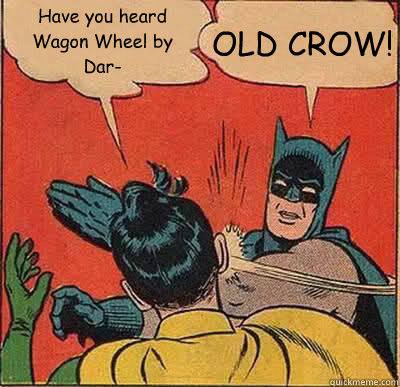
After my set, a mutual friend introduced us, and I thanked the local musician for listening to me. His response was, “I was really dubious of you when you sounded checked with that [cover song]…but you did really well with your own songs.”
Talk about taking the wind out of my sails!
Later that might, I considered removing that cover song from my repertoire, wondering if the song wasn’t “cool.”
Ironically, what’s not cool to the “hip” is often the song that gets requested the most. Playing that cover song gets tips, which helps afford birthday presents, groceries, guitar strings…
Ignore backhanded compliments; they usually come from those feeling discouraged about their art. And being a musician or artist is difficult enough.
In conclusion:
Are we undervaluing music? I don’t know.
Some may ask, “Who says we can trust the streaming company to be honest?” I’ll leave that to others to decide.
Can you potentially make a lot of music from streaming? Sure.
Is it likely? Probably not!
I think the bigger myth, one more dangerous than Spotify, is this: It’s easier today to make it in music than it was in the old days (90s, 80s, 70s, 60s,).
That generalization is false. It’s not easier to make a living in music.
What is true about today is:
- It’s cheaper to record songs with digital tools
- It’s easier and quicker to publish songs with the “potential” of getting heard
- It’s easier to discover potential gigs because of online tools
- It’s easier to communicate
- It’s easier to find your way to a gig because of GPS maps.
But none of these things makes it actually easier to break out. It’s still just as difficult if not, but not more unlikely. Probably about the same.
But it is easier to share your music. And hopefully that good feeling will keep people making good music!
Myth 7: You can make money from Spotify over the long term!
Maybe. But I don’t think this is realistic for the DIY, independent artist. I think the numbers clearly work in the favor for well-known artists, as usual.
And it’s also possible the indie artist might have made more money from 50 people who bought a CD, than 50 who stream the music. You aren’t going to make a cup of coffee from 50 people streaming your songs a few times. It’s a hard pill to swallow.
A band will need to get 800-1000 streams to make the same amount of money they made on one sale of $6. That’s 50 hours of consuming one band’s music. We can see why bands/songwriters are skeptical of the pay rates for streaming.
This is what’s scary for the current songwriter/musician. When someone buys your CD you had no way of knowing how often they listen to it. Musicians get paid upfront for the sale. With streaming, you will technically find out if people are listening to it or not.